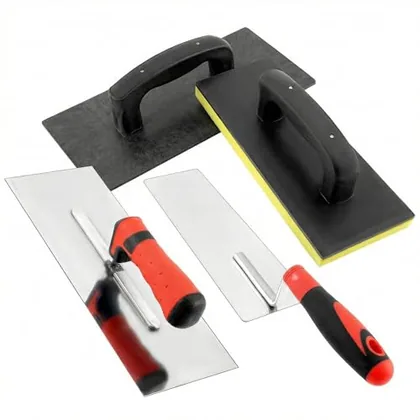
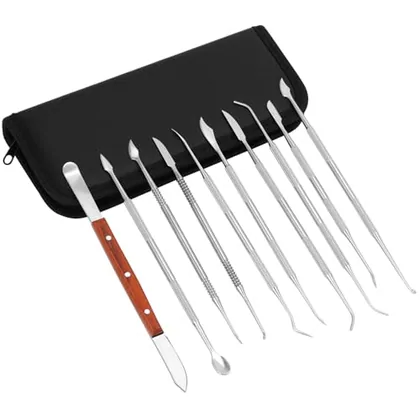
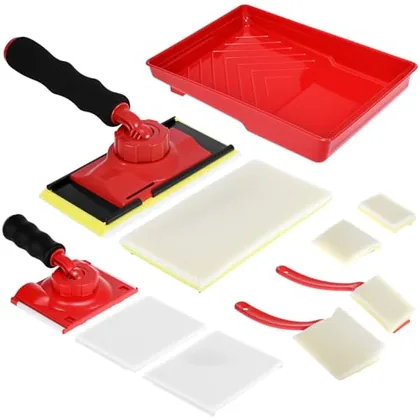
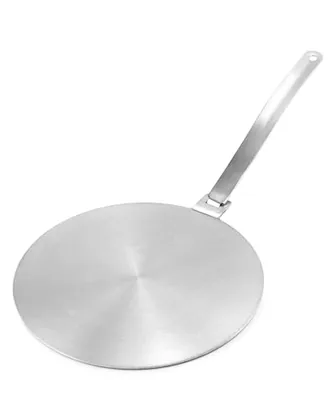
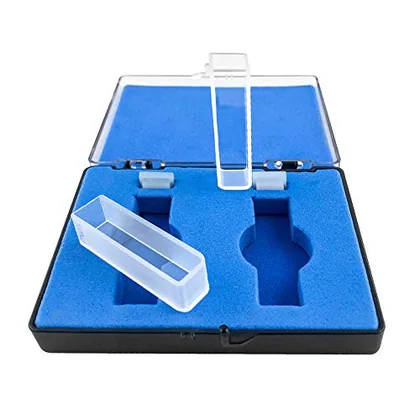
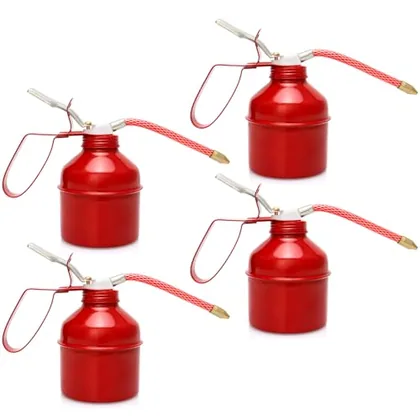
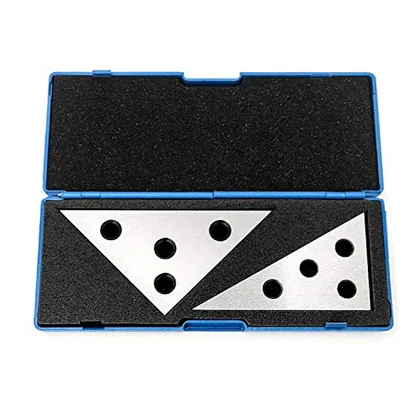
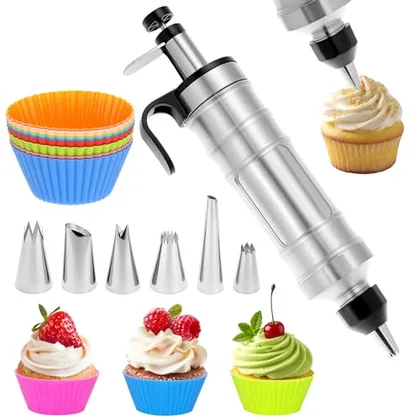
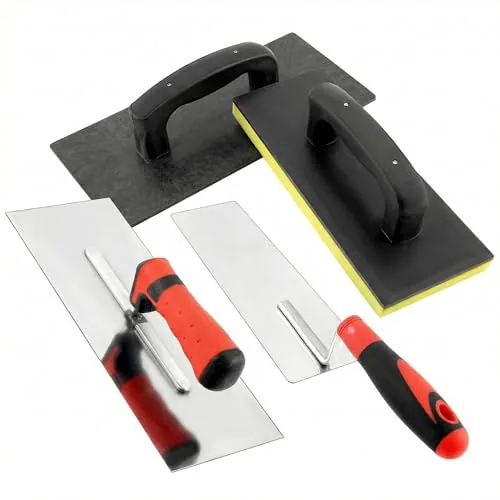
4-Piece Set for Plastering Work
pack of 4stainless steel
$90.924 in the pack

QWORK

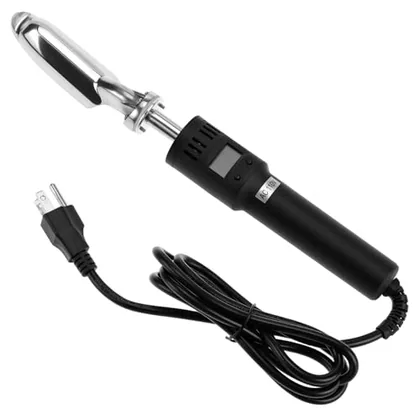
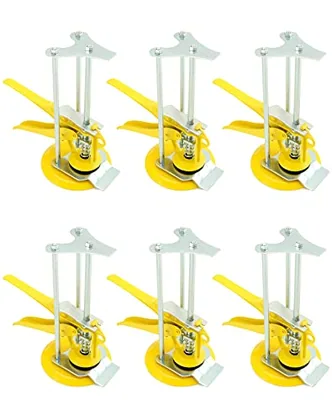
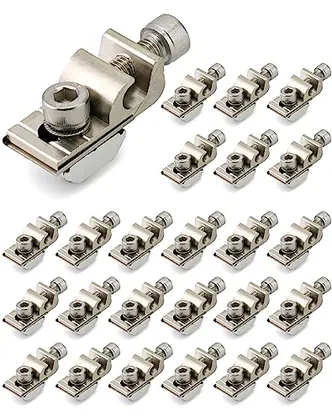
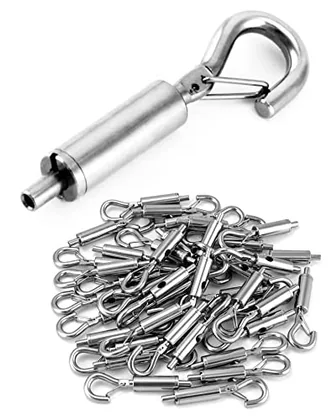





| What we publish | In this department |
|---|---|
| Parts here | 100 |
| Prices | $5.97 to $90.92 |
| Sold as a shop pack | 54 |
| Stating a material | 61 |
| Stating a thread or bore | 1 |
| Stating a load or pressure | 14 |
| Stating full dimensions | 23 |
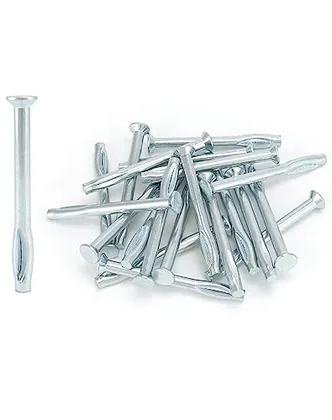
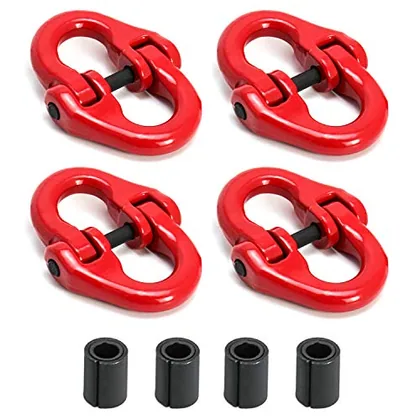
Workshop supplies sit in the space between the tools you own and the job that needs doing. We stock ninety parts here, and they cover a wide range of tasks: lifting doors, pulling cable grips, repairing dents, working on small mechanisms. None of these are everyday items for most people. You reach for them when something specific has broken or when a project demands a tool you have never needed before. That is the position we write for.
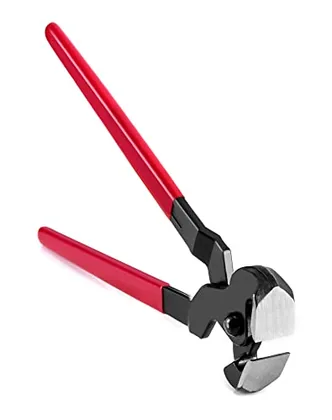
The hard part is usually fit rather than function. A door lifter either raises the panel or it does not. A watch puller either grips the crown or it slips off. The specification will tell you what the part is made of and how much weight it can handle. It will not tell you whether the jaw width matches your particular cable, or whether the nipper curve fits the hoof you are working on. Those are measurements you take yourself. We check every line against its stated specs before we list it, but we cannot check it against your specific situation.
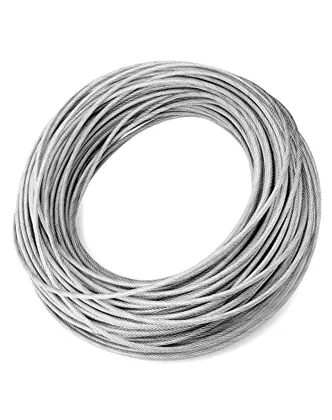
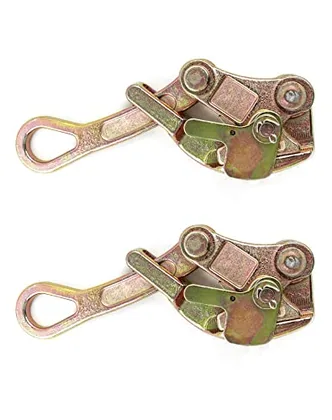
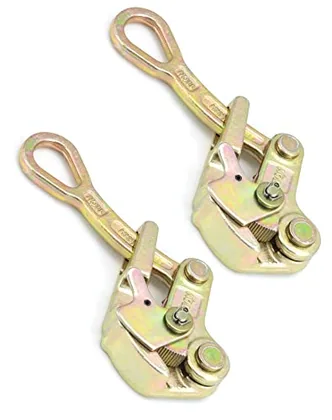
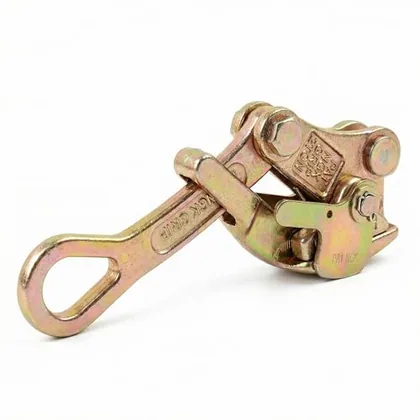
Material choices matter more here than in general hardware. Steel rope pullers come in different load ratings because wire rope under tension does not forgive guesswork. The two-ton grip costs more than the one-ton version because it has to hold without deforming. If your rope diameter falls between sizes, the cheaper option might bite into the strand and weaken it. Read the range on the jaw, not just the tonnage number. The same logic applies to board lifters: the swivel type saves your back, but only if the pad footprint matches what you are lifting.
Most of these parts do not have close substitutes once you have measured correctly. That is actually useful information. It means you can stop browsing alternatives and order what fits. Keep the old piece handy if you still have it, or take clear dimensions of the thing you need to work on. Write them down. Then match them to the spec sheet. That is how this department works best: measure first, order once, get back to the job.