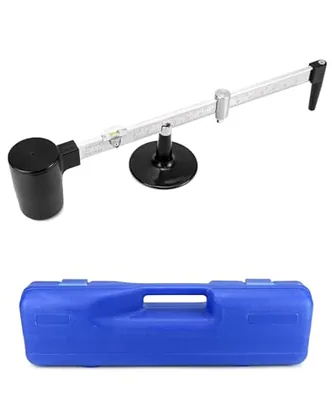
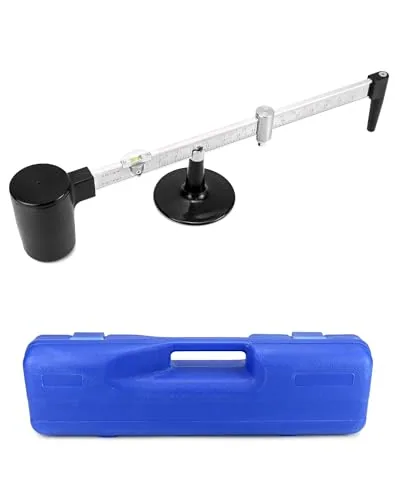
Mud Hydrometer - Engineering Plastic Mud Scale Liquid Densimeter
plastic
$73.97

QWORK
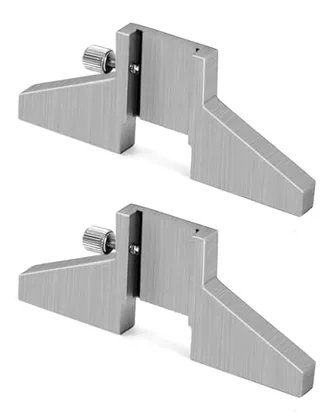
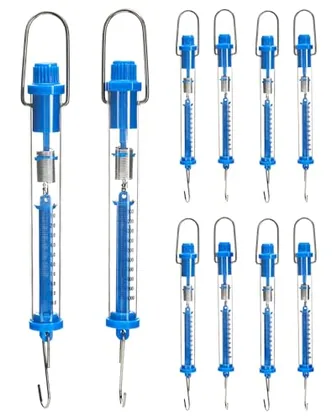
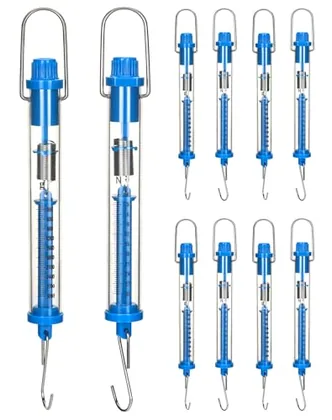
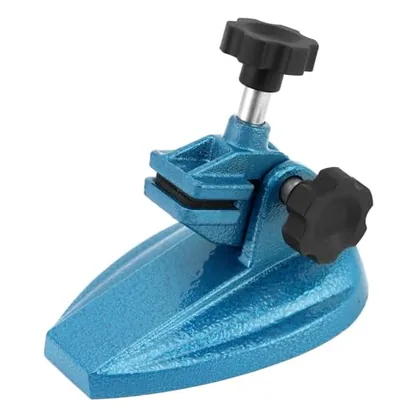



| What we publish | In this department |
|---|---|
| Parts here | 60 |
| Prices | $6.55 to $73.97 |
| Sold as a shop pack | 26 |
| Stating a material | 37 |
| Stating a load or pressure | 1 |
| Stating full dimensions | 22 |
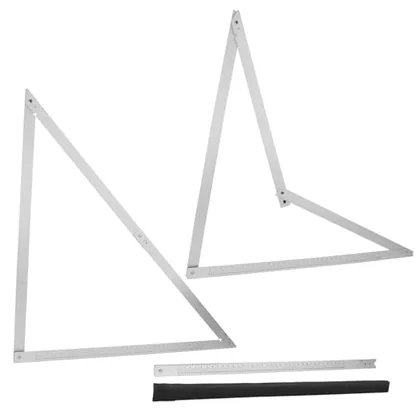
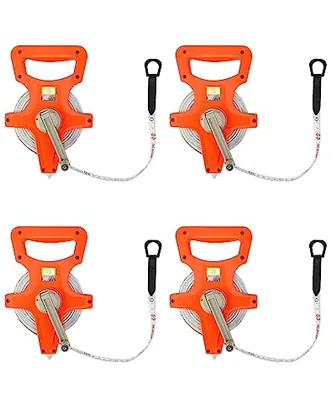
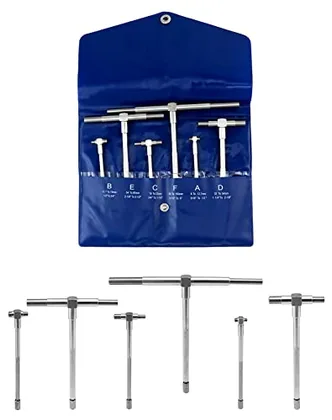
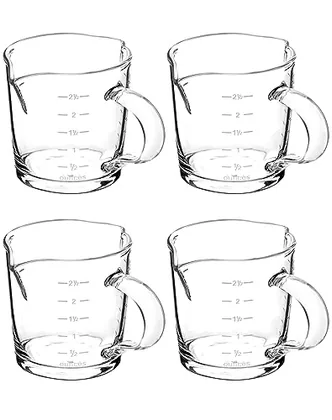
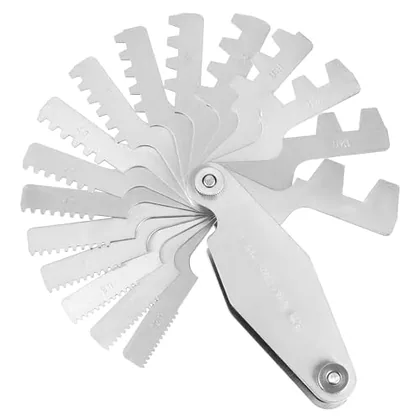
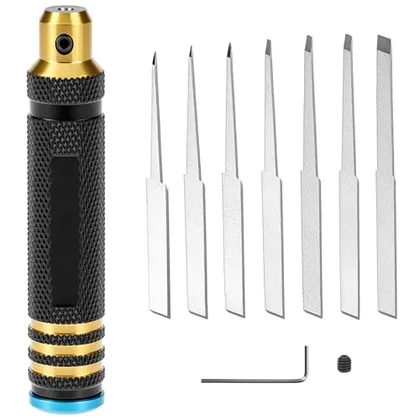
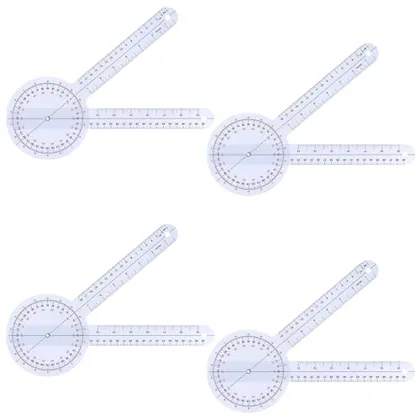
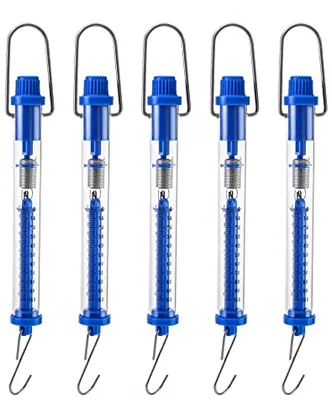
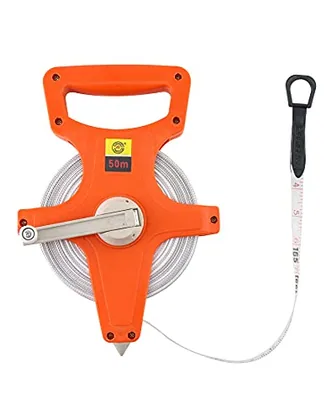
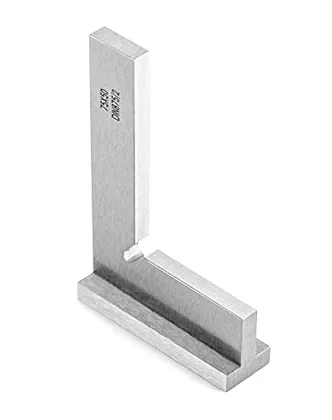
Measuring and marking is the step where a job either lines up or it doesn't. We stock seventy-five parts in this department because the right tool for one task is often the wrong tool for another. A tape that works fine for framing will frustrate you inside a cabinet. A caliper meant for machinist work can be overkill when you just need to check whether a shelf will fit.
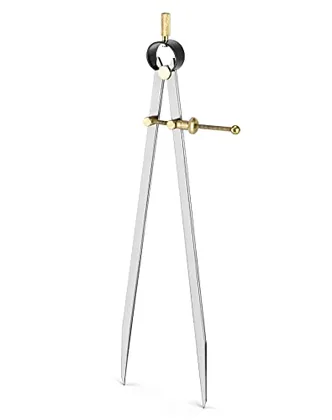
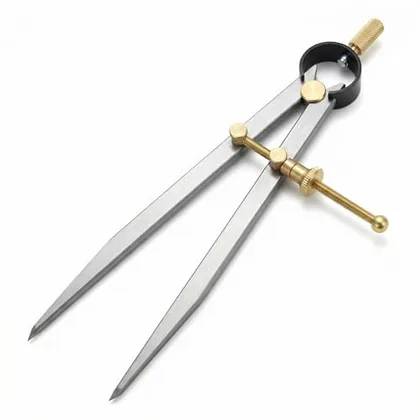
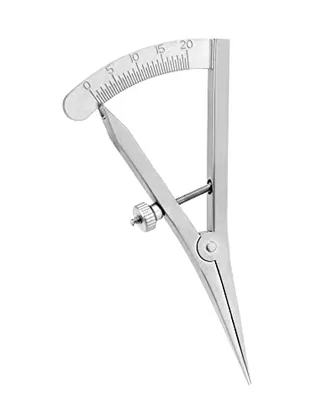
The hard part is usually units and range. Most of our tools give you inches, millimeters, or both. Before you order, think about what you are actually measuring against. If you're matching to existing holes, hardware, or cutouts on a vehicle or appliance, grab the spec sheet first. Our scriber sets adjust from zero to twenty centimeters, which covers most body panel and metalwork tasks, but you need to confirm your own working area rather than guess.
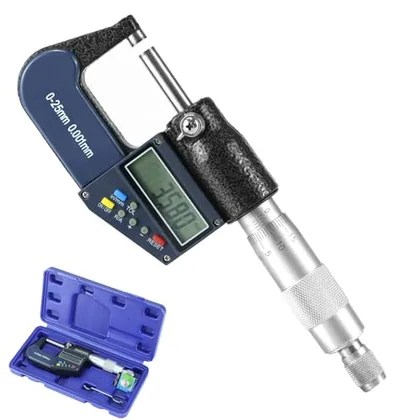
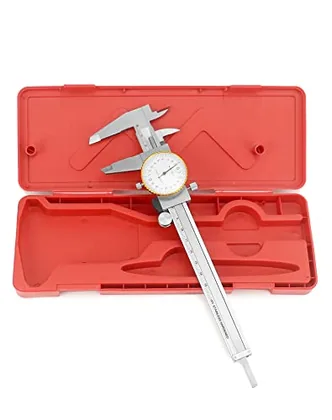
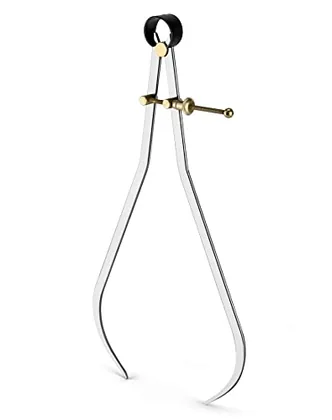
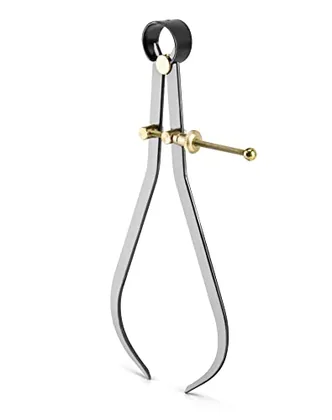
Calipers show up here at different price points because the spring mechanism and jaw design vary. The lower-priced pair handles general layout and transfer measurements well enough for woodwork and light fabrication. The higher-priced version adds precision you notice when you are checking bore diameters or fitting close-tolerance parts side by side. Neither is better in absolute terms. They answer different questions about fit.
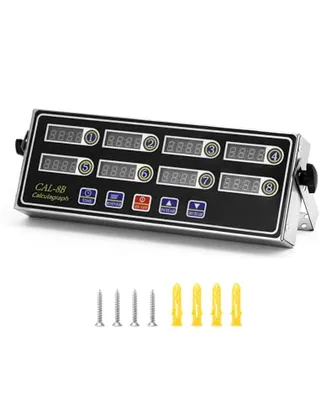
Digital timers serve a related purpose: they track intervals so you do not have to count or watch a clock. The eight-channel model lets you run several timed operations at once, which matters if you are managing multiple coats, cure times, or cooking stages. One timer is often enough for single-task work. Two or more channels become useful the moment you start juggling parallel steps.
We test samples of every new line ourselves before we add them to our catalog. We read what is printed on the specification and we verify it against the part we hold in our hands. If the numbers do not match what we see, we send the batch back. You should still measure your own space and confirm your own clearances before you finalize an order. The tool can only report what you put in front of it.