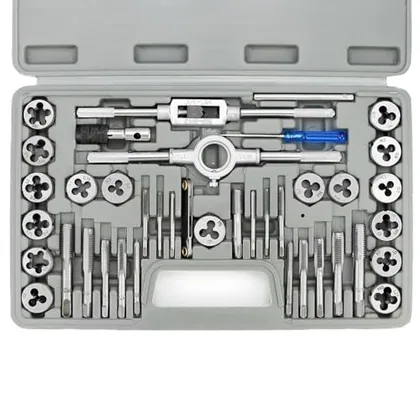
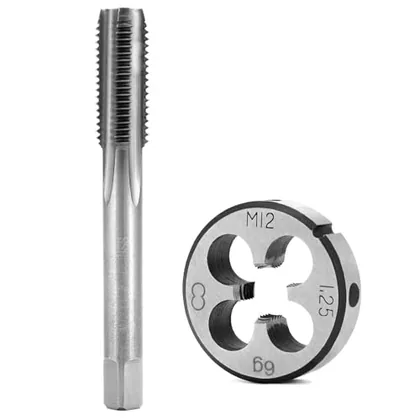
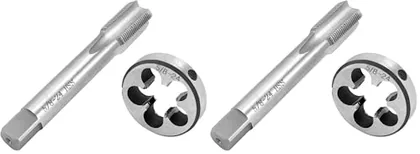
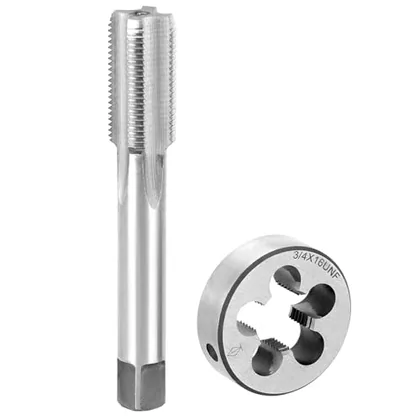
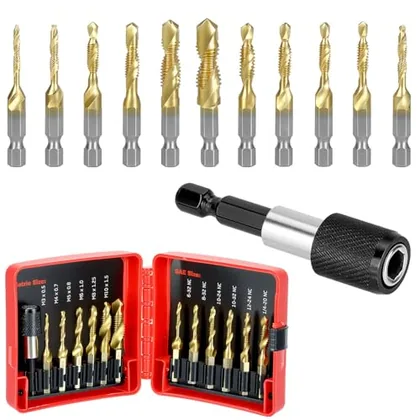
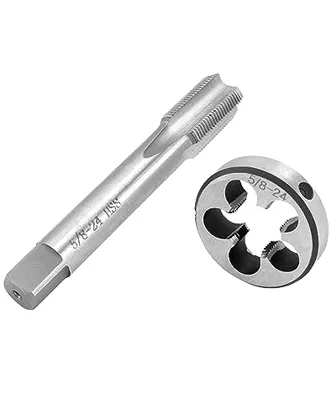
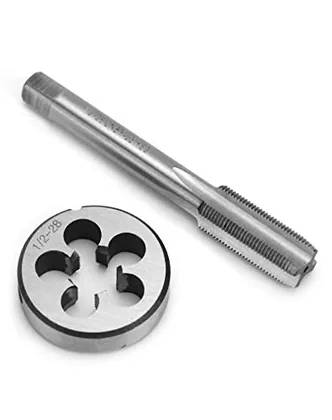
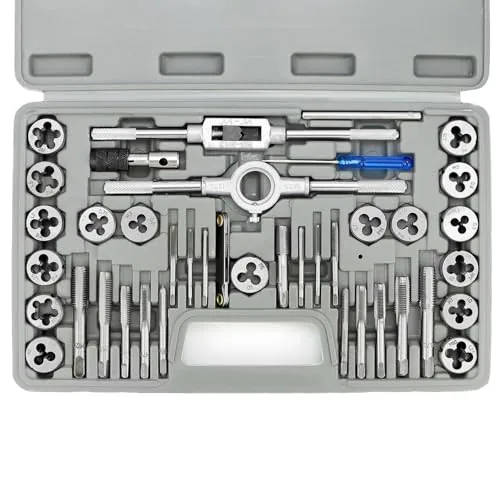
40-Piece Metric Tap and Die Set
pack of 40M3 threadalloy steel
$98.3540 in the pack

QWORK
| What we publish | In this department |
|---|---|
| Parts here | 55 |
| Prices | $5.47 to $98.35 |
| Sold as a shop pack | 33 |
| Stating a material | 38 |
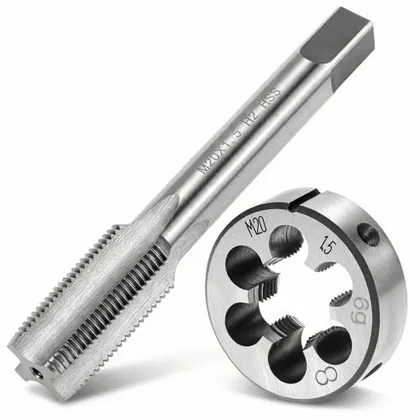
| Stating a thread or bore | 12 |
| Stating a load or pressure | 2 |
| Stating full dimensions | 9 |
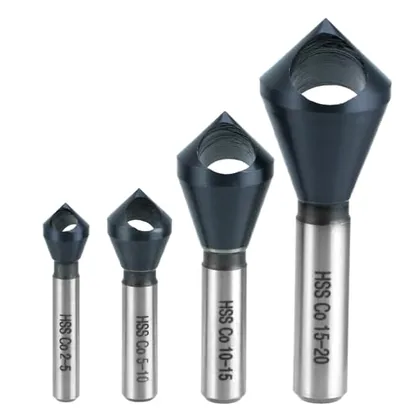
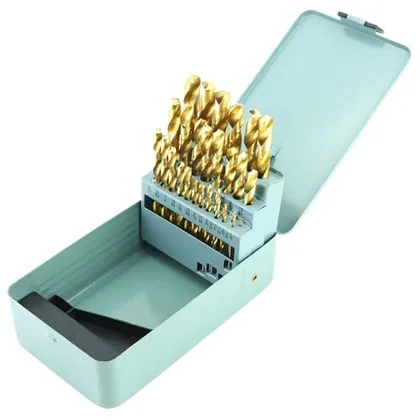
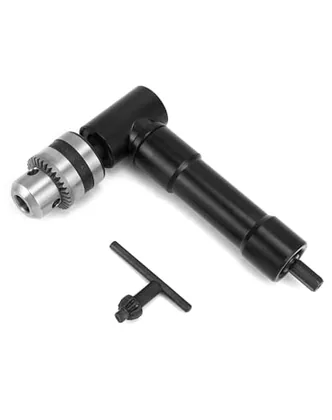
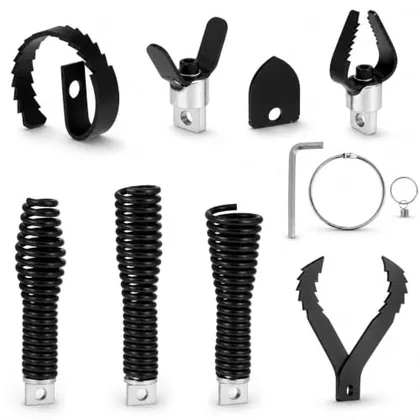
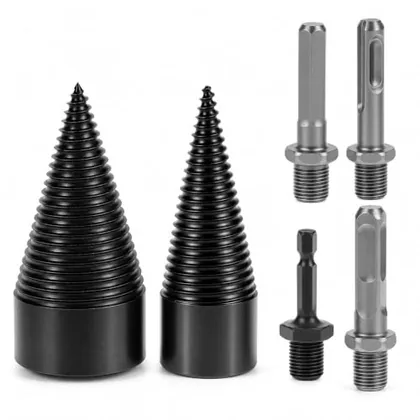
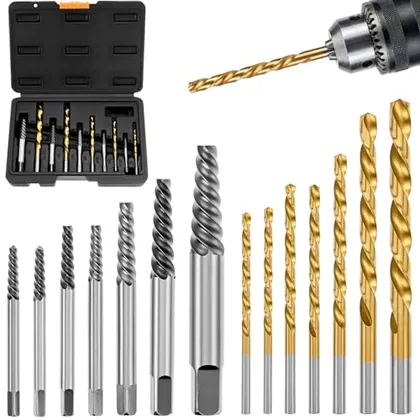
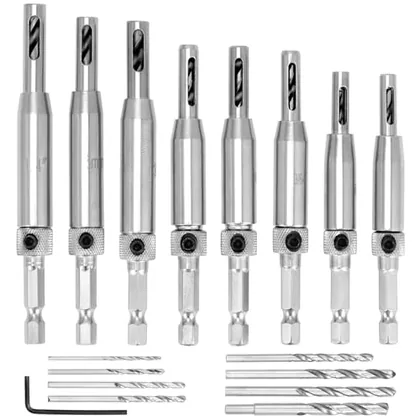
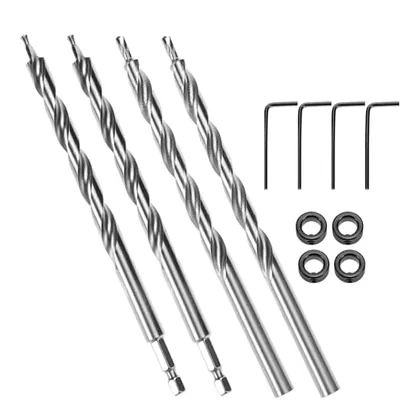
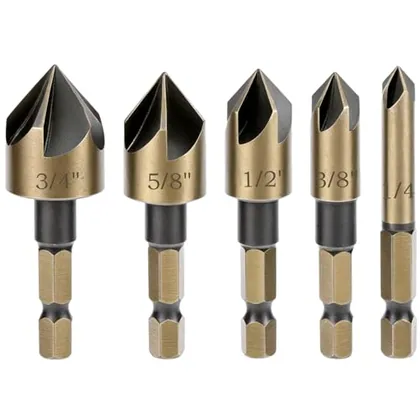
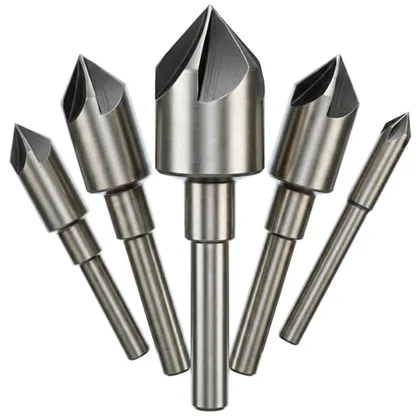
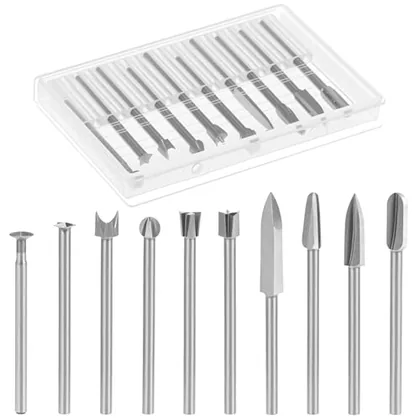
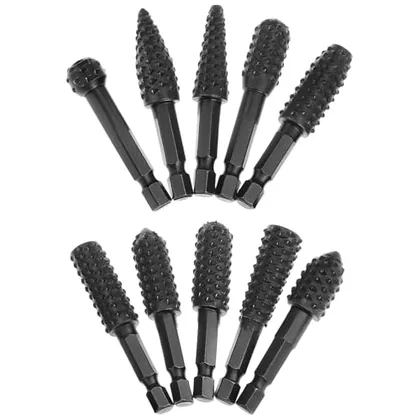
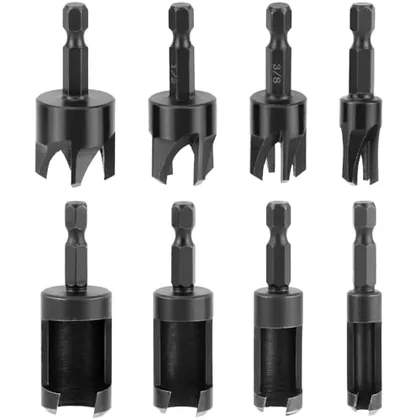
Drilling and cutting work is straightforward until it is not. The bit either fits the material or it does not, and you know right away which one happened. We stock this department because these are the parts people reach for when something has to be precise: a clean chamfer on a pipe end, a reamed hole that accepts a pin without wobble, a wing nut driven from above when your fingers cannot reach. Fifty-five items cover most of what a shop or a home bench needs for this kind of work.
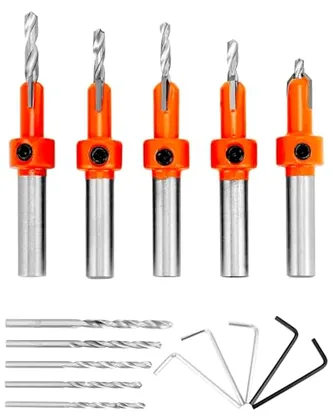
Cobalt stays sharp longer than high-speed steel when you cut into hard steel or stainless. It costs more and it is worth it for that specific job. For softer metals, wood, or plastic, HSS handles the work fine and leaves money in your pocket for other tools. Read the material listed in the description and match it to what you actually cut. A cobalt countersink set on aluminum is not wrong, but you are paying for heat resistance you will not use.
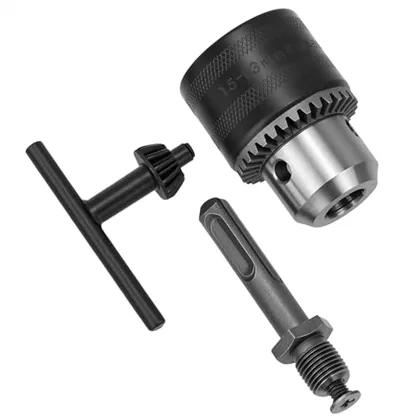
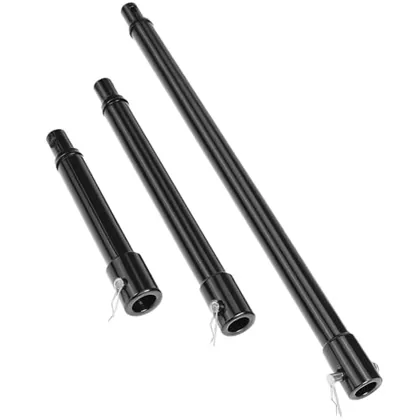
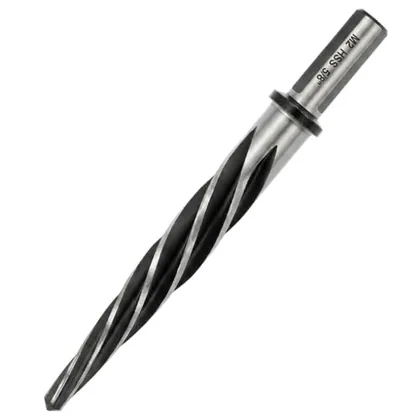
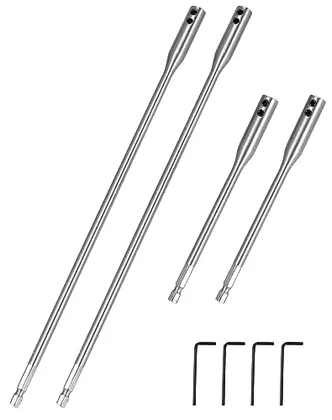
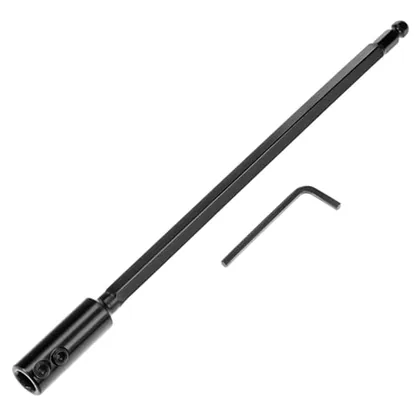
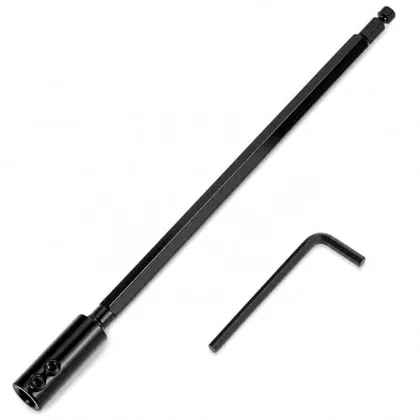
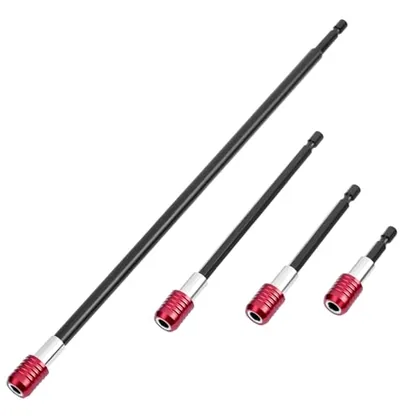
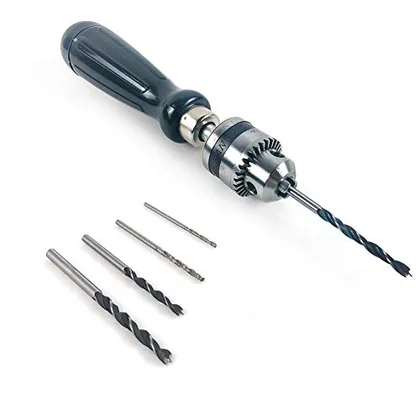
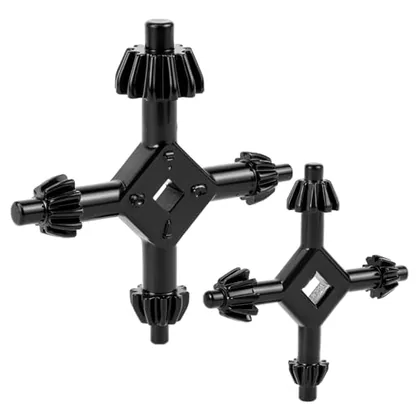
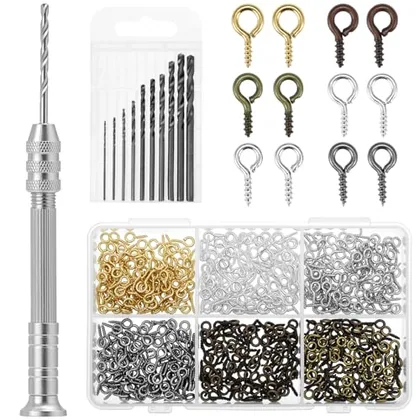
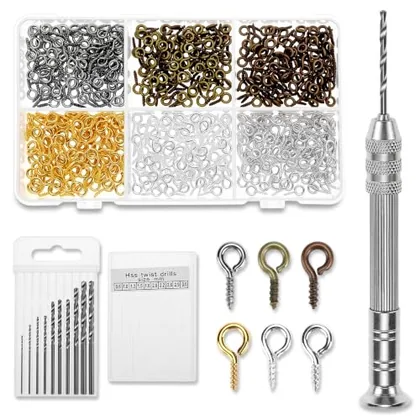
Measure twice before you order anything with a size range. Tapered reamers list a span like 1/8 inch to 1/2 inch, and that tells you the diameter they can open a hole to. Check whether the shank fits your drill chuck or your collet. Pin vises hold small bits by hand, which gives you control for model work or jewelry, but they do not replace a powered drill for anything over roughly 3mm. Magnetic extensions keep the bit from falling out of the chuck when you work overhead or inside a cabinet. They add length, so make sure you have clearance for it.
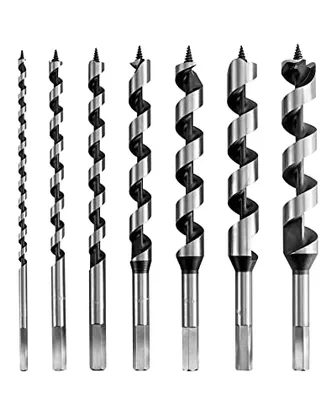
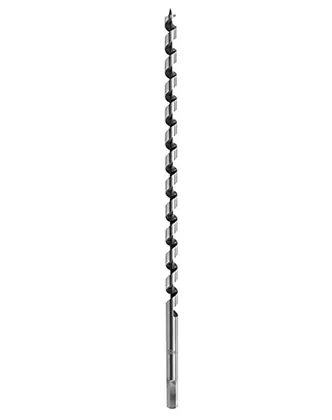
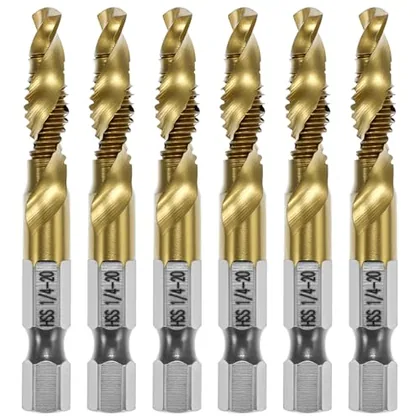
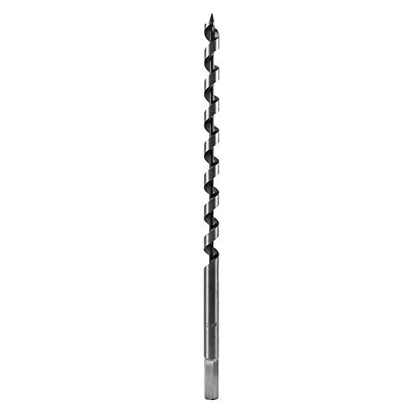
Shank size matters more than people expect. Round shanks fit most chucks. Hex shanks grip better in quick-change systems but limit you to tools built for them. Count the flutes on a reamer if the card shows them: straight flutes pull chips forward, spiral flutes eject them backward, and each one behaves differently in a blind hole. We read every specification sheet before we list an item here, so what you see on the page is what we verified against the sample we tested.
Check the fit between your holder and the tool shank. Confirm the material matches your workpiece. Measure the space where the tool has to reach. Those three checks catch almost every return in this category.
Checkout and fulfillment are handled by our retail partner.