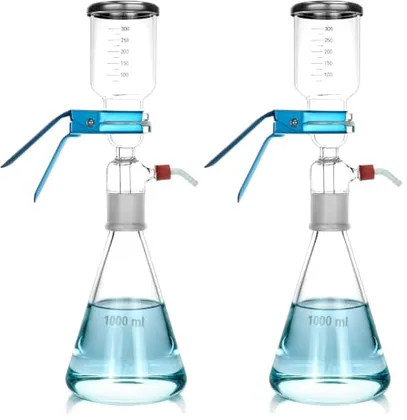
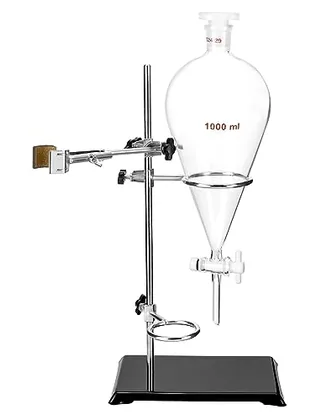
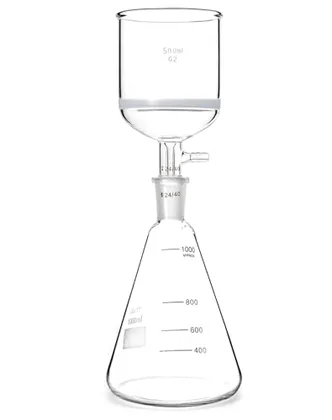
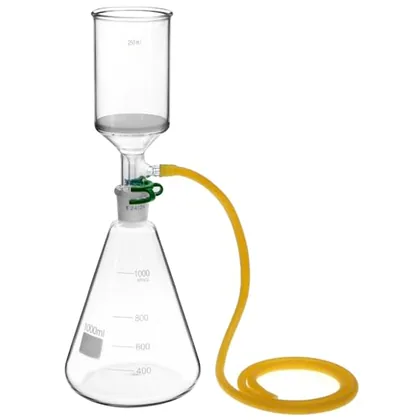
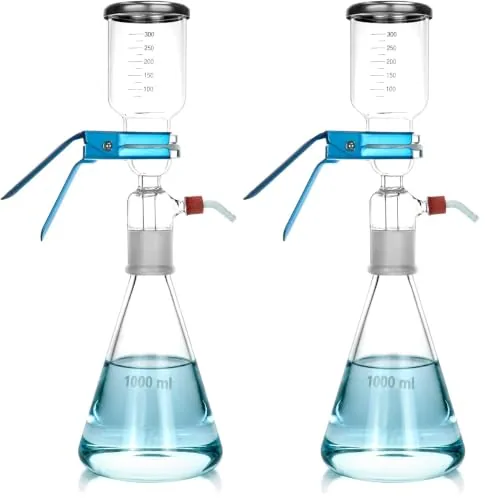
Glass Vacuum Filtration Set
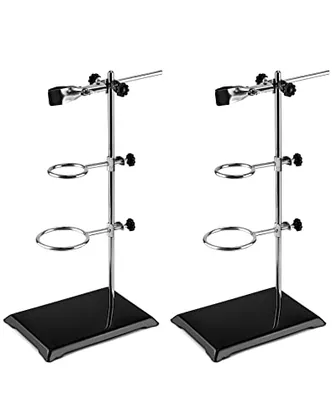
pack of 2
$99.942 in the pack

QWORK




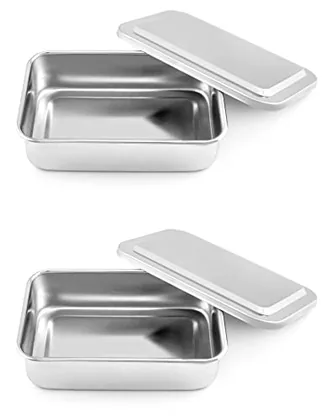
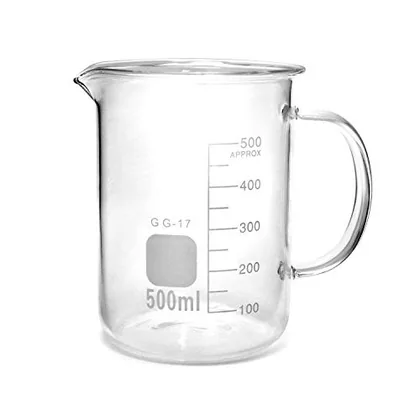
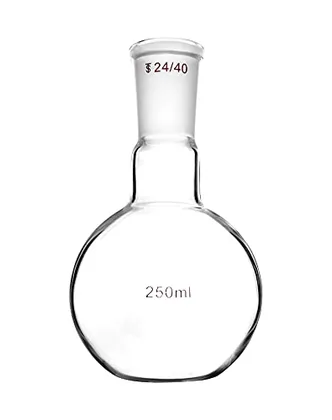
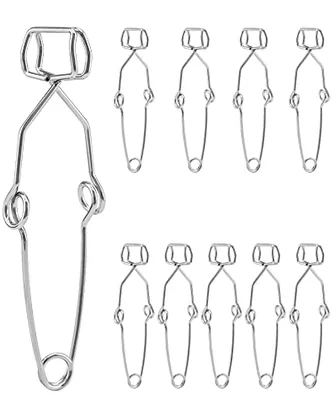

| What we publish | In this department |
|---|---|
| Parts here | 49 |
| Prices | $7.97 to $99.94 |
| Sold as a shop pack | 31 |
| Stating a material | 18 |
| Stating full dimensions | 9 |
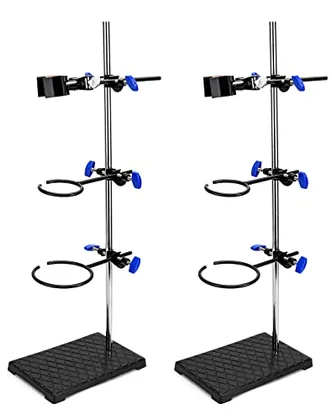
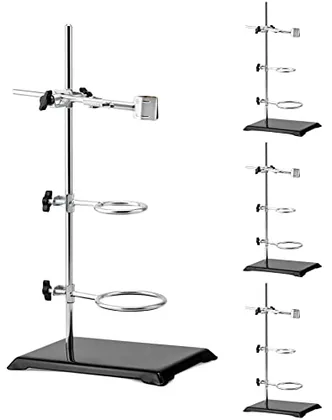
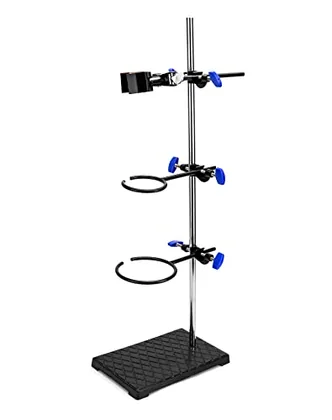
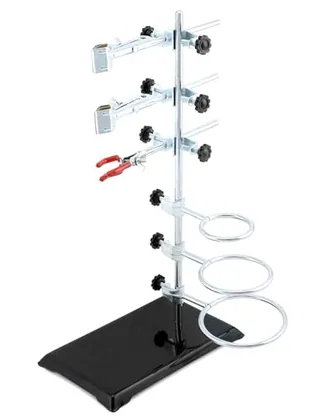
Lab work runs on small decisions. You pick a stand, a clamp, a ring. Each one has to hold what you put on it without slipping or tipping. That sounds simple until you actually measure the space you have and the weight you need to support.
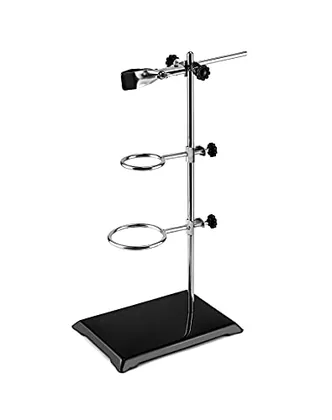
We source these parts from makers who build for daily use. Steel rod stands, cast iron bases, zinc alloy clamps. The materials matter because a clamp that creeps under load will ruin an afternoon of careful work. We check the threads with gauges before we list anything here. We read the stated load ratings against what is stamped on the part itself. If the numbers do not match, we send it back. What looks right is not enough.
The hard choice is usually between reach and stability. A taller stand gives you room to heat, stir, or filter over taller vessels. It also wobbles more when you add weight up high. A wider base helps, but it takes up bench space that you might need for something else. Think about where you will set this up. Measure the clearance under your shelving or fume hood if you plan to leave it in place. Check whether the rod diameter matches clamps you already own. Most of these stands use standard sizes, but not all of them do.
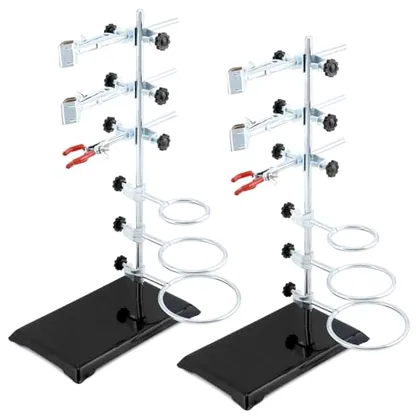
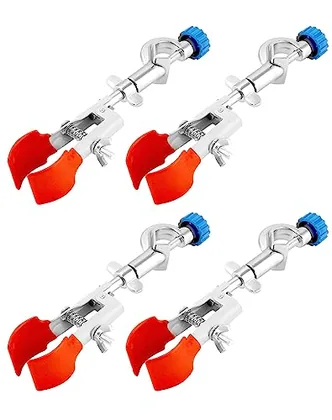
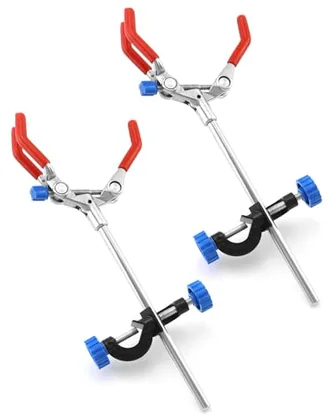
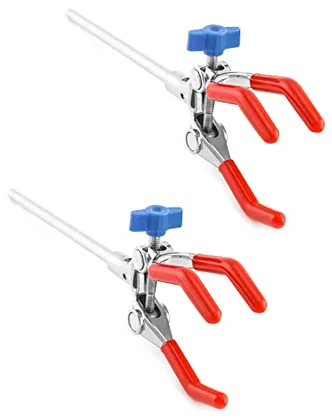
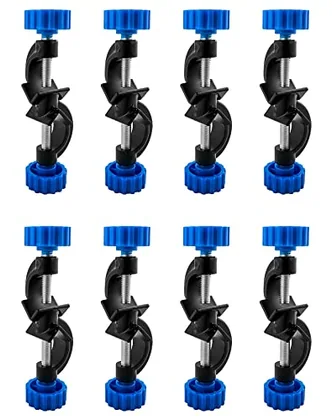
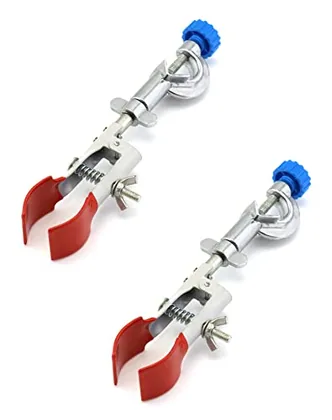
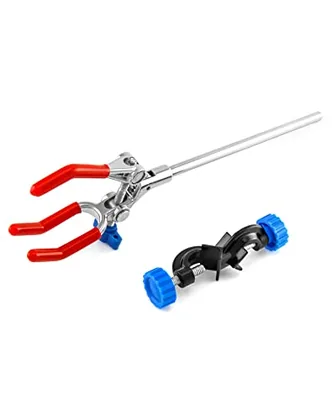
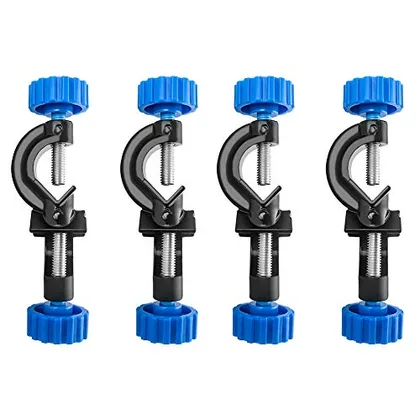
Clamps present their own trade-offs. An adjustable boss clamp grips rods from roughly 10 to 16 millimeters, which covers most common stands. A dedicated pinch clamp or three-prong grip holds glassware more securely but fits a narrower range of diameters. If you run one type of flask most of the time, a fitted clamp saves you fiddling. If your work changes week to week, you want versatility even if it means retightening now and then.
Before you order, lay out the setup you have in mind. Write down the maximum height you need, the heaviest item you will suspend, and the widest vessel the clamp must reach around. Compare those numbers to the specs on each page. We update our figures regularly so they stay accurate. When the measurements line up with what you wrote down, you have found the right part.