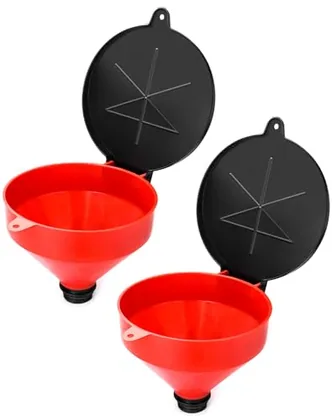
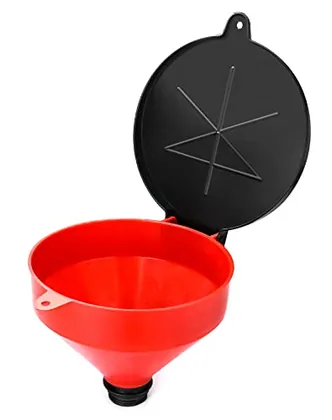
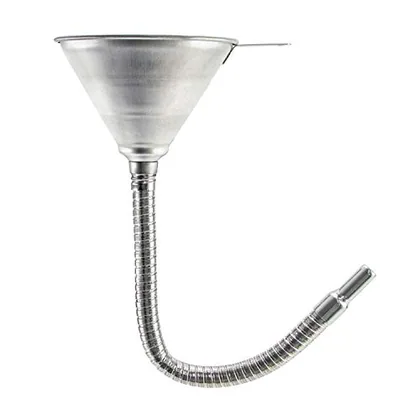
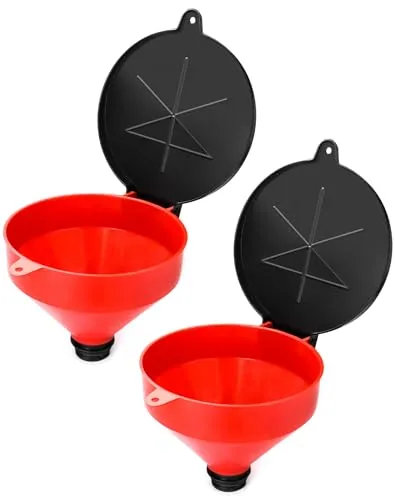
4 Quart 2 in BSP Drum Funnel - 2 Pack Lockable Lid & Screen Filter
pack of 22 in
$55.972 in the pack

QWORK
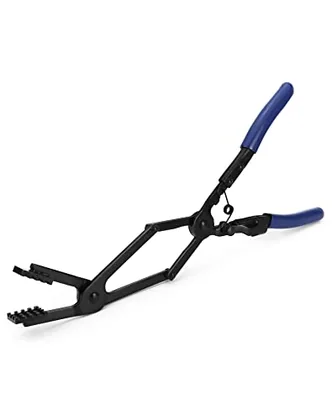
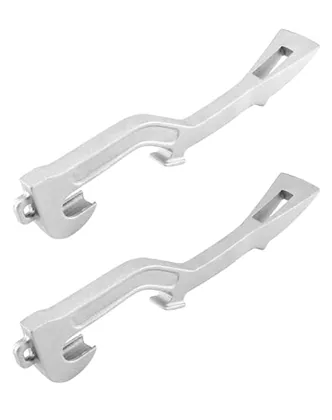
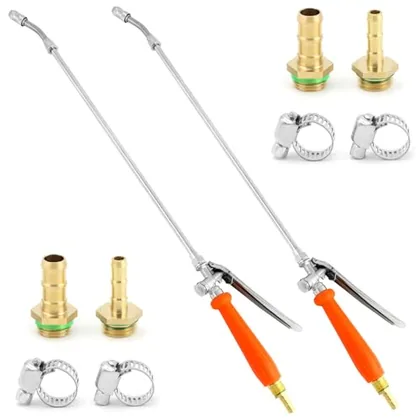
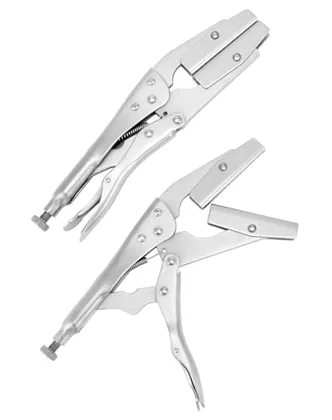
| What we publish | In this department |
|---|---|
| Parts here | 26 |
| Prices | $7.97 to $55.97 |
| Sold as a shop pack | 14 |
| Stating a material | 19 |
| Stating a load or pressure | 2 |
| Stating full dimensions | 8 |
Hoses and fittings sit between the things that work and the things that break. A clamp that holds at the bench can slip under pressure. A fitting that looks right on screen might not thread into what you have. We know this because we check every new line before it goes into our catalogue. We measure threads against gauges. We compare stated load ratings to what is printed on the part itself. If a piece does not pass, it does not make the cut.
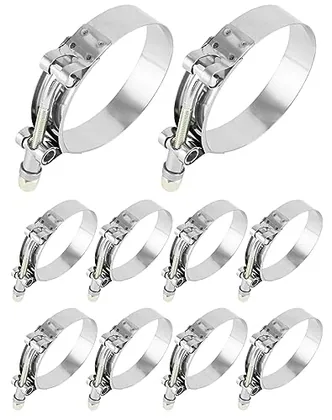
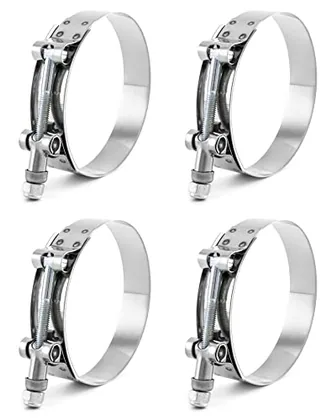
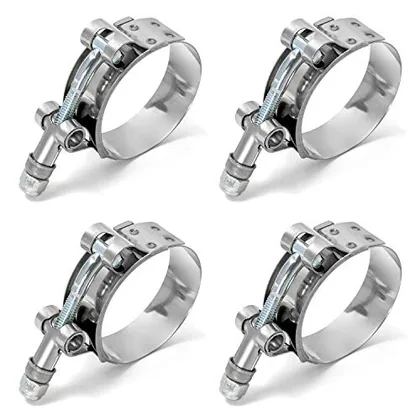
The hard decisions here are usually about material and fit, not price. Stainless steel costs more than zinc-plated steel, but it handles moisture and heat without rusting into place. T-bolt clamps distribute pressure more evenly than worm-drive bands, which matters when you are sealing silicone or high-temperature hose. The specification sheet will tell you the band width and the torque range. It will not tell you whether your hose has enough wall thickness to compress properly under that clamp. That is something you have to measure yourself.
Size is where most orders go wrong. A 2-inch clamp does not fit every 2-inch hose. Hose sizing refers to the inner diameter. Clamp sizing refers to the outer diameter of the hose when it is fully compressed. You need to measure the outside of your hose with calipers, then check the clamp's minimum and maximum opening range. If you are within half an inch of either limit, consider the next size up or down. A clamp bottomed out against its screw provides almost no holding force.
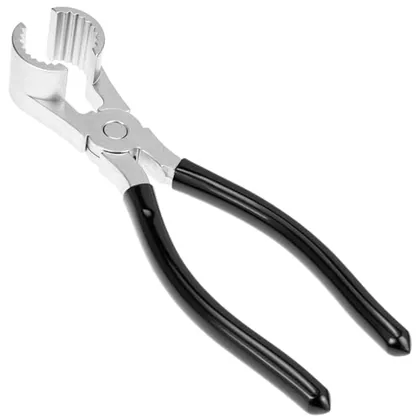
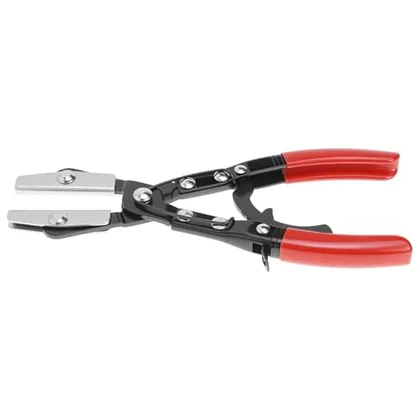
Some of the tools in this department do not involve fluid transfer at all. The carpet puller clamp and the light bulb changer use gripping mechanisms borrowed from hose-clamp design. They work well for their specific jobs, but they are not general-purpose pullers. Read the listed application before you order. If the description says radiator hose, assume it was sized for that material at operating temperature, not for the rubber fuel line sitting on your bench.
Take the time to measure twice. Check the material grade against what your environment demands. And if you are not sure whether a part matches what you already own, lay them side by side before you commit. We supply the pieces. You supply the judgment.